Your Curated Asia Adventure Awaits...

Ethical Elephant Experiences in Chiang Rai
Experience ethical elephant encounters in Chiang Rai—responsible travel that blends breathtaking mountain scenery, cultural heritage, and compassionate wildlife interaction.
ADVENTURE
1/23/20264 min read
Share │
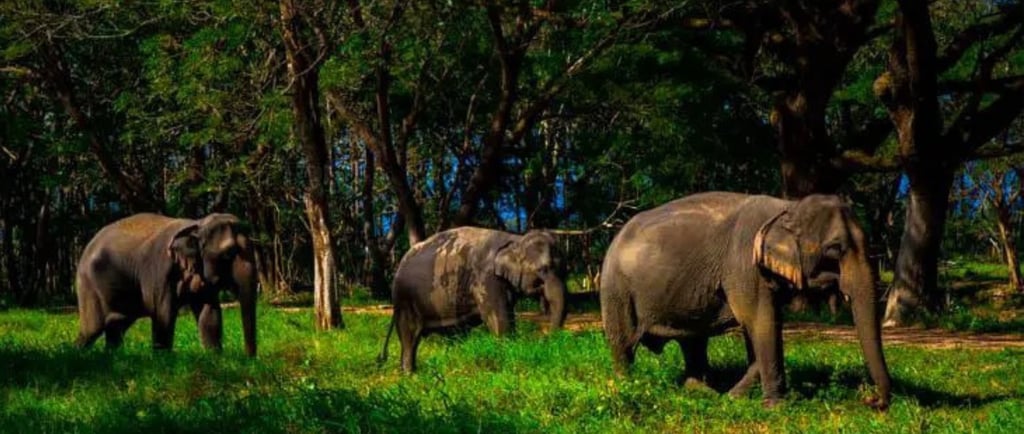
While Chiang Mai often dominates the conversation around elephant encounters, Chiang Rai, nestled in the far northern reaches of Thailand—the historically significant Golden Triangle—offers a truly distinctive, highly personalized, and often more serene experience. Here, the encounter is less about tourist volume and more about the quality of conservation, blending deep ethical responsibility with the region's breathtaking mountain scenery and unique cultural history.
Chiang Rai's sanctuaries and integrated programs provide quiet observation, meaningful connection, and a stark contrast to the busy parks elsewhere.
The Chiang Rai Difference: Seclusion Meets Sustainability
Chiang Rai’s geography—characterized by rolling hills, misty river valleys, and close proximity to the Mekong River—naturally lends itself to sustainable, low-impact tourism. This environment directly benefits the elephants, allowing them vast tracts of forested land for foraging and roaming.
1. The Golden Triangle Model
The most distinctive and high-end Chiang Rai elephant experiences are often found near the Golden Triangle, where luxury resorts collaborate directly with established conservation foundations.
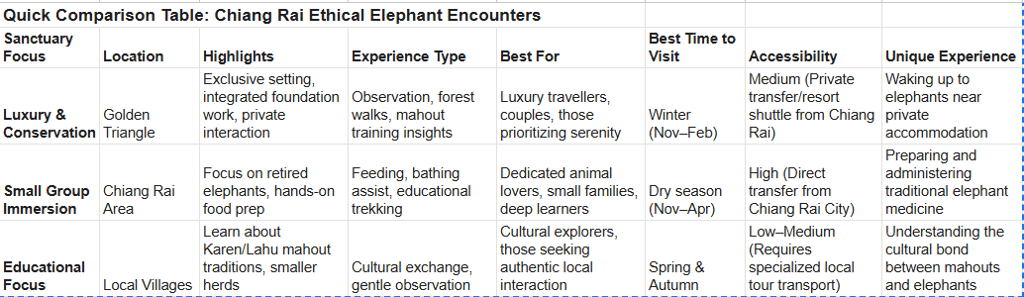
Best For: Luxury travellers who want their high-end accommodation dollars to directly fund elephant welfare, and travellers who value maximum privacy.
Why It Works: This model offers the pinnacle of comfort while embedding conservation into the guest experience. Activities are meticulously curated to ensure the elephants remain unstressed. The result is a highly polished, deeply ethical, and profoundly memorable encounter.
Unique Experience: Guests might participate in a quiet, private forest walk alongside the elephants, guided by a mahout and a conservation expert. This often takes place in the cooler morning mist, providing an intimate setting free of crowds. Some exclusive lodges offer accommodations with observation decks or viewing windows, allowing you to peacefully watch the elephants from a distance in their natural habitat.
Tip for Visiting: When booking your luxury resort in this area, ensure you specifically inquire about their affiliation with a recognized elephant foundation and that their program strictly prohibits riding, chains, and hooks.
2. Small-Group Sanctuaries: Hands-On Ethical Care
Throughout the valleys surrounding Chiang Rai City, several smaller, dedicated sanctuaries focus on intensive rehabilitation and deep educational content. These are often family-run or managed by passionate conservationists.
Best For: Dedicated animal lovers and small groups who prioritize a highly educational, hands-on role in the elephants’ daily care.
Why It Works: These sanctuaries often host smaller herds, allowing visitors to spend more quality time with individual animals. The focus is placed heavily on their diet, health, and rescue background.
Unique Experience: Visitors frequently assist in preparing specialized herbal medicine balls or supplemental food for the elephants, giving a tangible role in their healthcare and rehabilitation process. The low visitor numbers allow for detailed, one-on-one time with the guides.
Tip for Visiting: Look for sanctuaries that explicitly state their focus on rescued animals and where the only physical contact is limited to assisted feeding or gentle, supervised bathing in the river—always on the elephant's terms.
3. Cultural Immersion: Connecting with Local Mahouts
Chiang Rai's cultural richness is defined by its diverse hill tribes, including the Karen and Lahu. Some ethical programs focus not just on the elephant but on the mahout culture that has protected and worked alongside these giants for generations.
Best For: Cultural explorers seeking a more anthropological view of the human-elephant bond and a truly authentic interaction with local communities.
Why It Works: These experiences emphasize learning the traditional commands and understanding the deep, spiritual relationship between the mahout and their elephant, rather than simple tourist feeding. This provides a genuine exchange that supports local tribal economies.
Unique Experience: Spending time in a local village setting, learning about the sustainable cultivation of elephant food, and observing the respectful, generational methods used to care for the giants—an approach rooted in mutual respect, not dominance.
Best Time to Visit: Spring and autumn offer the most pleasant weather for cultural walks outside of the main city area.
Tip: Stay at a luxury resort in the Golden Triangle and book other elephant experiences in the Chiang Rai area.
The decision to visit Chiang Rai is a decision to embrace the future of responsible wildlife tourism. Here, the powerful majesty of the elephant is conserved, and the luxury of the journey is defined by the depth of the experience and the purity of the surrounding nature.
FREQUENTLY ASKED QUESTIONS
Q: Are the elephant sanctuaries in Chiang Rai generally less crowded than those in Chiang Mai, and why?
A: Yes, the sanctuaries in Chiang Rai are generally less crowded. This is due to the region's more remote location and a deliberate focus on smaller group sizes and low-impact tourism, often integrated with high-end resorts that prioritize exclusive, quiet interactions.
Q: For a luxury traveller, how does the Golden Triangle's elephant experience differ from a standard sanctuary visit?
A: The Golden Triangle experience often involves a stay at a luxury resort where elephant conservation is a core mission. This allows for seamless, private encounters like forest walks and observation from your accommodation, meaning the experience is curated, exclusive, and less rushed than a typical day visit. Depending on which luxury resort you booked, you can also enjoy riverboat rides, craft and cooking classes, treetop dining, zipline experiences and cultural immersions.
Q: What is the primary focus of ethical elephant programs in the Chiang Rai region?
A: The primary focus is rescue, rehabilitation, and long-term conservation, often supporting elephants retired from the tourism or logging industries. Activities are strictly no riding and center on observational learning, feeding, and veterinary assistance, all designed to support the elephant's psychological and physical recovery.
Q: What is the best way to travel to the remote ethical elephant sanctuaries located outside of Chiang Rai City?
A: Due to the more remote and mountainous locations, the best way to access these sanctuaries is typically via private transfer arranged through your luxury hotel or directly with the sanctuary. This ensures reliable and comfortable transit to the secluded sites.
Passionate about ethical wildlife travel? See how you can trek Borneo’s rainforest to observe orangutans responsibly.
Chiang Rai Elephant Sanctuary Golden Triangle Elephant Conservation Ethical Elephant Experiences Chiang Rai Golden Triangle Elephant Conservation
Best luxury resorts with ethical elephant programs in Chiang Rai
Chiang Rai elephant rescue and rehabilitation projects
Sustainable elephant tourism Chiang Rai
Difference between Chiang Mai and Chiang Rai elephant visits